Master’s Degree In Education-Information-Technology
Doctorate Degree In Educational Leadership
Degree In Substance Use Disorder Counseling (SUDC)
Certified In Trauma Informed Care
Certified Life-Coach
Educator for 28 Years
Content Creator
*Homeless Advocate
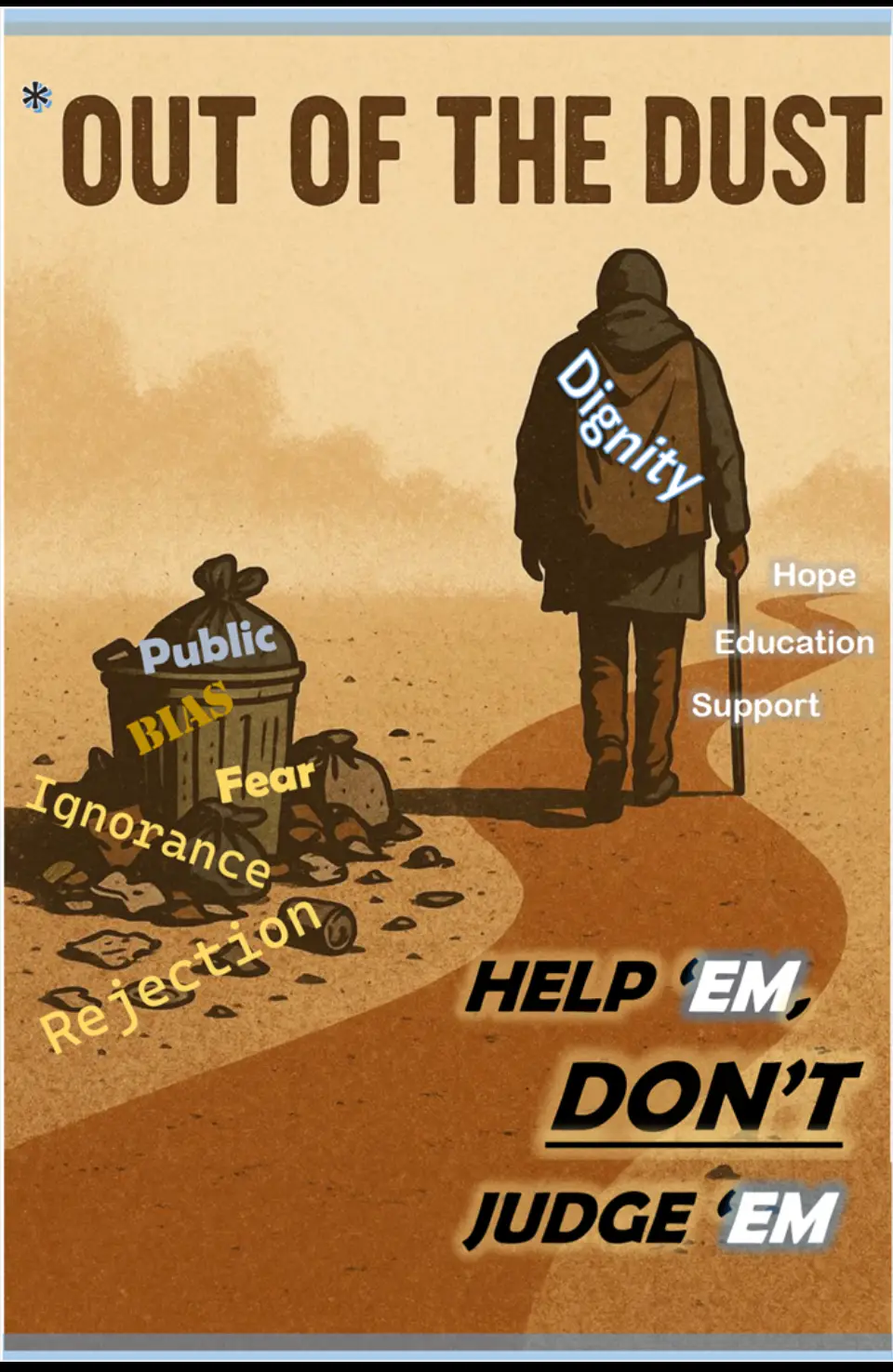
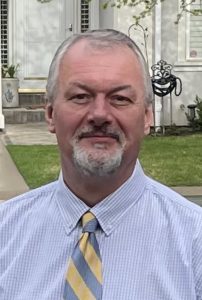
Hello friends, my name is Rick Wadsworth and I am a self-funded, self-directed homeless advocate specializing in educating the public & policy-makers concerning the causes & needed solutions for homelessness. I have spent the last 8 months doing “man-on-the-street” interviews with these marginalized people and have gained a unique (albeit painful) perspective into the underbelly of society at the lowest levels which, as a result, has given me a drive & purpose to help effect change at the local & state levels. No one should be relegated to this lifestyle whether imposed by life-circumstances, poor choices, or bad luck–it’snot living, it’s merely surviving at the most basic, primitive levels. Respectfully, this is “Third-World” living in a “First-World” nation, Top-Tier State. My own son was homeless in Oregon for 3 years for the same reasons that put most people on the streets. I know others whose family members are also living on the street. So many lives are affected by this travesty and unrealized dreams & wasted potential are the result.
Everyone admits that homelessness is an ongoing problem but few know how to fix it. There are currently 3 perspectives that should be considered and each offers a valuable piece of the puzzle. One side advocates a “Housing-First” approach which essentially puts people in housing without expectation, accountability, or mental health or addiction treatment.
Their 10 talking points include:
1.Immediate housing stability
2.Improved health outcomes
3.Reduced pressure on emergency services
4.Encourages personal responsibility & independence
5.Increased access to support services
6.Reduces long-term homelessness
7.Promotes social inclusion & community integration
8.Addresses homelessness as a “human rights issue”
9.Reduces the stigma around homelessness
10.Cost-effective in the long-run
The other side takes a “Treatment-First” approach which requires people to be sober, mentally-stable, and accountable. Their Ten points include:
1.High initial costs
2.Potential for dependency
3.Insufficient addressing of underlying issues at play
Between those two sides lies a rarely mentioned Option 3 area that takes an educational, strength-based, “solutogenic” approach (https://en.wikipedia.org/wiki/Salutogenesis) to teaching life-skills, pro-social behaviors, the ability to self-regulate, trauma-resolution, addiction-recovery principles, trust & emotional connection to others, and a self-image makeover that includes changed thinking, self-compassion & personal forgiveness. Most, if not all of the people I have met who have been willing to share their story with me have said they experienced significant traumas (plural) growing up such as physical, emotional, or sexual abuse, neglect, poverty, constant danger, fear of abandonment, parental substance abuse, incarceration, or poor role modeling. In many cases, the proverbial “apple doesn’t fall from the tree” is completely true.
Additionally, only those in treatment facilities are receiving any type of needed programming or skill-development mentioned above. Most rehab facilities focus on client sobriety & basic coping skills but little else. What happens to those who can’t afford rehab–what then? 12-step programs are available on the street and many have tried them but subsequently turned away for a variety of reasons. As a result, they remain stuck. These people also don’t have access to mental health medications or therapy and consequently self-medicate to deal with the ongoing physical & emotional pain they feel daily. Combining the best elements of ALL 3 PERSPECTIVES is necessary for change because it addresses immediate needs (Housing First), puts expectations & accountability in place (Treatment First), and changes attitudes, behaviors, and thought processes through education & strength-based coaching, and salutogenic interventions.