Many people want to help the homeless but don’t know how other than giving food, clothing, snacks, or a few dollars in cash which is vitally important but does not remedy the situation but merely treats the symptoms. Getting educated about this social blight is imperative. A correct understanding of the root causes of homelessness is necessary because it gives a backstory to their story and offers a compassionate perspective concerning them–their needs–their struggles–and how to engage with them in meaningful ways.
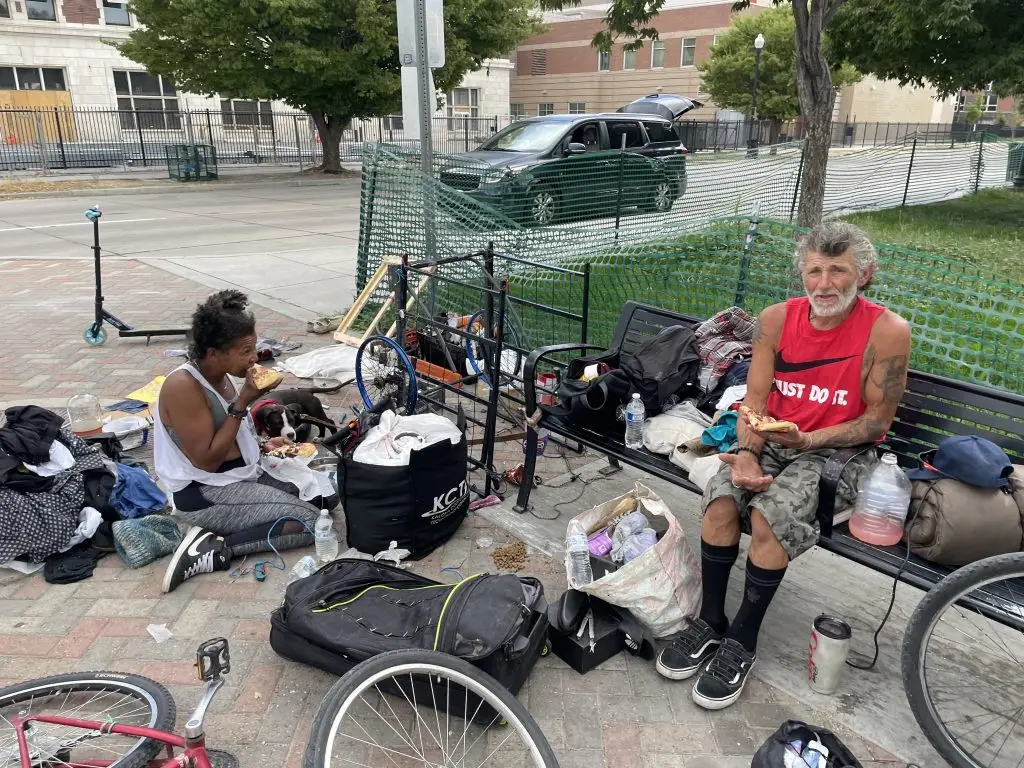
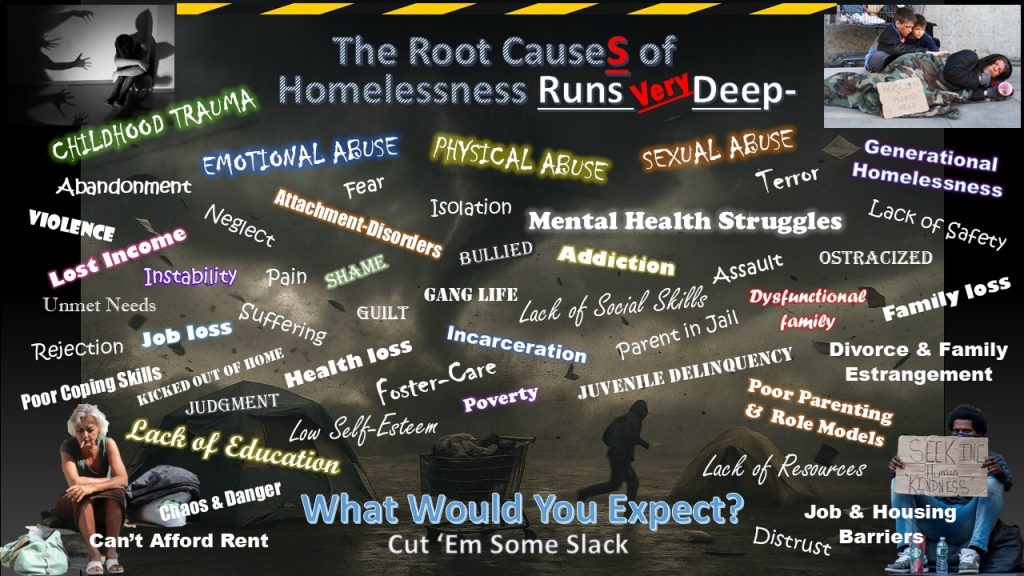
Q: What causes homelessness? Is it because of life circumstances outside of their control or poor choices & bad behavior?
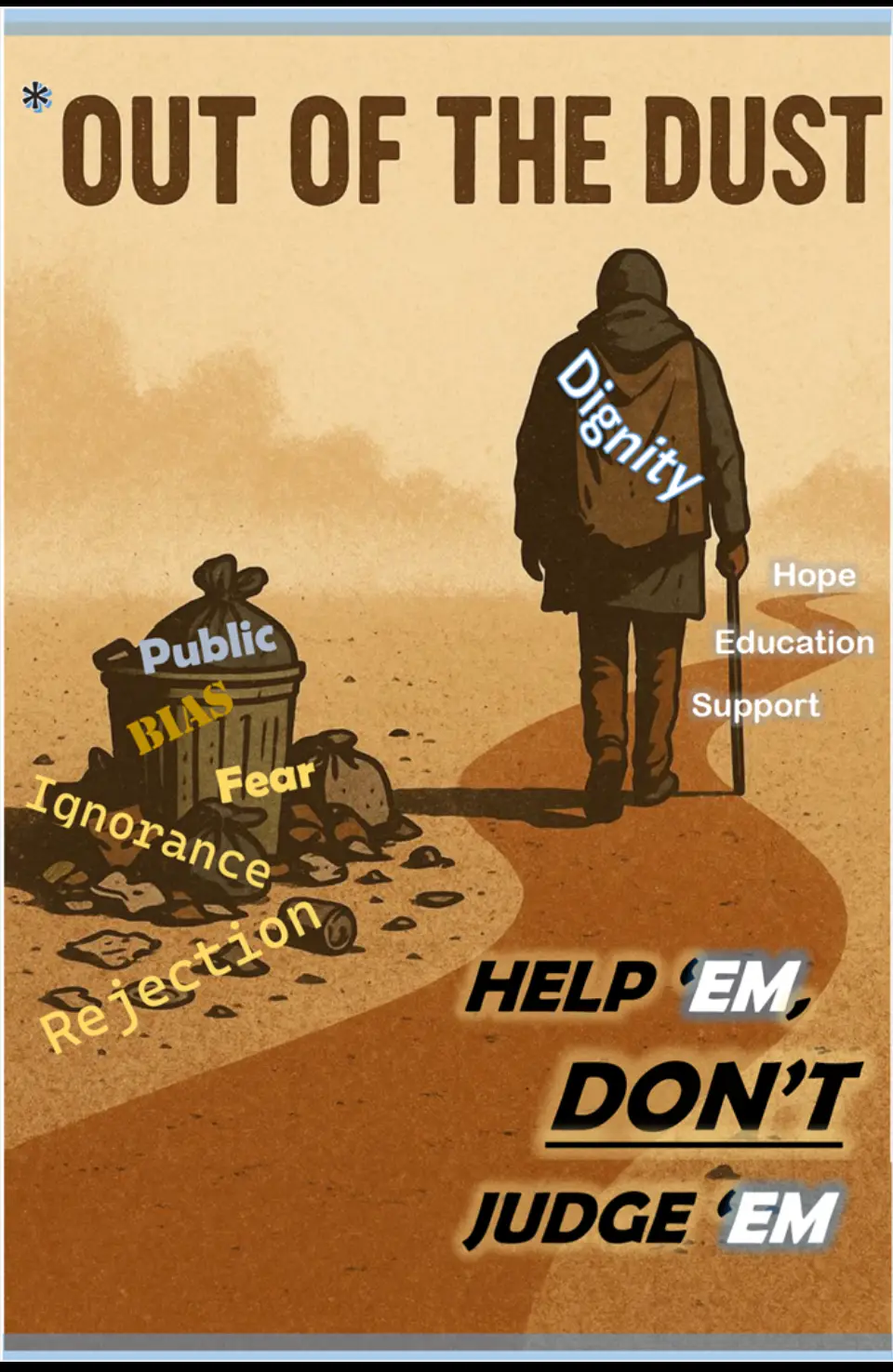
A: Homelessness is caused by several things as shown above (and often simultaneously) such as: *trauma (physical, emotional, or sexual assault in childhood), mental health struggles and lack of medication & therapeutic treatment, drug & alcohol addiction & poor life choices. It can also be caused by circumstances thrust upon them (i.e. losing a job, divorce, family estrangement, loss of health, high medical bills, poor parenting or lack of positive role models, cultural failings, generational homelessness & dependency, attachment-disorders, poor coping skills & emotional regulation, gang life, lack of education, incarceration, and various barriers to housing and employment. These and other factors are why many live on the street. *In Salt Lake City, there are over 4,500 people living on the streets–some as long as 26 years!
Q: If homelessness doesn’t affect me or my family directly, then why should I care and get involved?
A: Homelessness impacts you in ways that you don’t realize. Tax increases to fund homeless programs including hiring more police officers to deal with it affects you and your discretionary spending. Additionally, increasing crime (drug dealing, prostitution, robbery, and vandalism) occur at higher levels which then affects insurance rates, along with having dirtier streets and unsafe neighborhoods & parks which impact everyone.
Q: Why should I give my hard-earned resources to people that don’t have any direction or drive in life? Isn’t that just enabling them by giving them free stuff?
A: We can answer that from an ethical point of view (standards of right and wrong established by a community), a moral one (personal beliefs about right and wrong), a religious standpoint (all major world religions teach about helping the poor & needy), a philosophical point of view (is helping the weakest among us the ‘wise, good & right’ thing to do? What would WE want if the tables were turned?), or lastly an economic standpoint (in the long run it is cheaper to change minds, hearts, and lives through proper education & effective interventions so that they can become self-sufficient and stop being a drain to the system. Instead of being mere consumers they can hopefully become employed and begin paying taxes into the system with the rest of us. As the saying goes, “you get what you pay for” is true with tools, as well as, people-programs. The upfront costs to buy something better will end up saving money in the long run by not having to replace it as often. Additionally, getting one generation off the streets significantly decreases the chances that their family will follow. Having citizens–not just government programs do the heavy lifting–will benefit the giver as well as the receiver and strengthen the community in unified fashion and become a model for other cities & states to follow.
Q: What is their biggest need besides housing and food? Don’t shelters give them a place to sleep, meals, and free clothing?
A: They need lots of things–showers, laundry facilities, toilets, and working drinking fountains especially during the hot summer months. They also need education and a holistic-healing approach. Additionally, they need adequate health care & medication (they currently use cheap drugs to numb the physical & emotional pain they feel everyday. Next, they need/want & crave social interaction with others who won’t judge, ignore, or be repulsed by them. The “human-connection” is just as true and necessary for them as it is for each of us. If we don’t get it, we shrink & shrivel emotionally & socially. Humans are social creatures that need to feel belonging and a part of something bigger than themselves.
Q: Will putting them into some form of housing solve the homeless problem?
A: Yes & No. Merely getting people off the streets and into an apartment without learning necessary life-skills and changing thought processes & behaviors often backfires and gets them kicked out of their housing and end up on the streets again. Education & behavior modification is key. They also need structure, purpose, and accountability to a consistent mentor or reputable facility or program.
Q: Why can’t city leaders force them into rehab facilities where they learn addiction-recovery skills, and can get wrap-around services?
A: Government leaders can’t “force” anyone to seek change in their lives–that is something that has to come from within and not from an outside entity. This would also be a breach of civil rights. Also, unless change is sought, then many will rebel against the 12-step programs that have failed them before. Lastly, who would pay the exorbitant costs associated with inpatient rehab facilities that range from $15,000 –40,000 per month WITH INSURANCE! That approach is both cost-prohibitive and likely to fail because achieving sobriety takes much longer than a month locked away in some group home or retreat. Thoughts, attitudes & behaviors must change at their pace, and not ours.
Q: Why doesn’t Salt Lake just build a big facility and put them all there?
A: They are planning on doing so beginning in 2026 (see https://www.deseret.com/politics/2025/10/29/utah-governor-says-homeless-campus-is-most-compassionate-approach-not-like-nazi-concentration-camp/ also https://www.ksl.com/article/51383386/homeless-facility-proposal-near-north-salt-lake-sparks-opposition-public-safety-concerns )
There are several pros & cons that need to be considered–see https://prospluscons.com/pros-and-cons-of-housing-first/
See the following articles:
https://www.deseret.com/opinion/2025/08/11/fixing-chronic-homelessness-fragmentation-services
https://www.currentaffairs.org/news/youre-not-angry-enough-about-homelessness-in-america
*According to state officials, Salt Lake hopes to model their upcoming facility after the highly successful homeless facility in San Antonio, Texas https://www.havenforhope.org/
Q: Is it drug addiction or mental health that is the bigger problem?
A: Answering that question is like asking which came first, the chicken or the egg? In the end it doesn’t matter because both are so finely intertwined and self-reinforcing. Any addiction creates mental health problems such as anxiety, depression, guilt, shame, fear of exposure or the “imposter-syndrome,” etc. Because the homeless are not able to get prescription medication (lots of reasons why), they turn to their next best, cheapest, thrilling & dopamine-triggering street “meds” whatever that happens to be (and they are always dangerous because of the ingredients that are being “cut” or added to them. Coming off of a “high” can be severe and very depressing which then triggers the need to offset the low mood with more drugs–it’s cyclical.
Q: Why does there seem to be more and more homeless people coming to Utah?
A: The answer is 3-fold: 1) Utah tends to have better resources available 2) be more affluent & safer and 3) the Christian culture tends to be more generous than other places. I have met people from Oregon, California, Texas, Colorado, Florida, and Michigan who have migrated here for any number of reasons.
Q: Do all homeless people want to get off the streets or are some content just living how they are?
A: I have asked that question to a number of homeless people during my interviews and the general consensus is “about 30% don’t want to change and are content to live this way. The other 70% want to change but don’t know how because the ‘system’ is rigged against them.” Unfortunately, I have come to see that the ‘system’ IS rigged against them in a number of ways from rent restrictions, to being kicked out of their apartments on trumped up charges by slumlords who collect subsidized rent and then quickly turn around and rent that same apartment to another renter but continues to collect rent from the state on the first renter. Other problems include ongoing citations for camping, loitering, and subsequent arrest warrants for not showing up to court to pay the fine because they don’t have money. If arrested, they are usually let out 3-7 days later and the charges against them are dropped. In the meantime, their belongings have either been stolen, thrown away by city crews, or hauled to a storage unit across town by the police that then requires them to find and find to in order to reclaim their property. They are constantly being told by police to pack up their belongings and keep moving. This happens day & night. Additionally, there are no public restrooms available downtown except for 2 porta-potties at St. Vincent’s that are locked up at light. There is only 1 drinking fountain at Pioneer Park that people have to travel to in order to fill up their water bottles. Some even drink out of the sprinklers at night because that is their only source of water. Also, shopkeepers often call the police to have them removed them from their storefronts so that ‘paying customers’ are not bothered by them.
Q: What resources do they need particularly at this time of the year?
A: Click here to see needs list:
Q: What is the best way me & my family can help them?
A: Click here to see 10-point to-do list:
Q: What happens if they get sick or hurt on the streets?
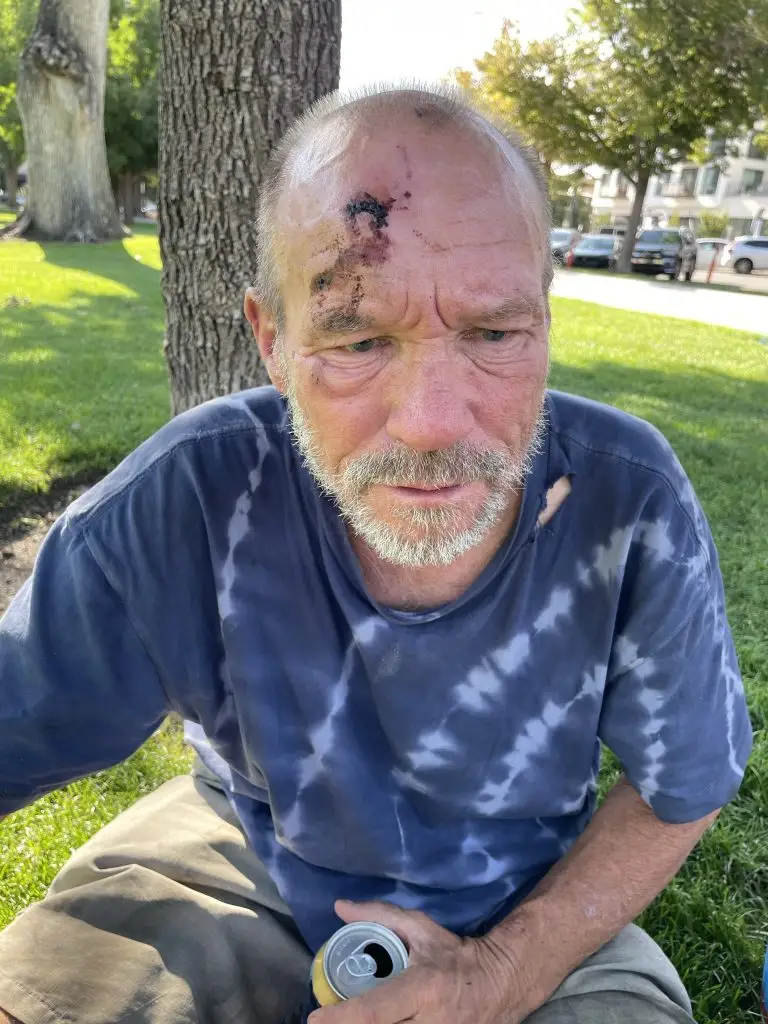
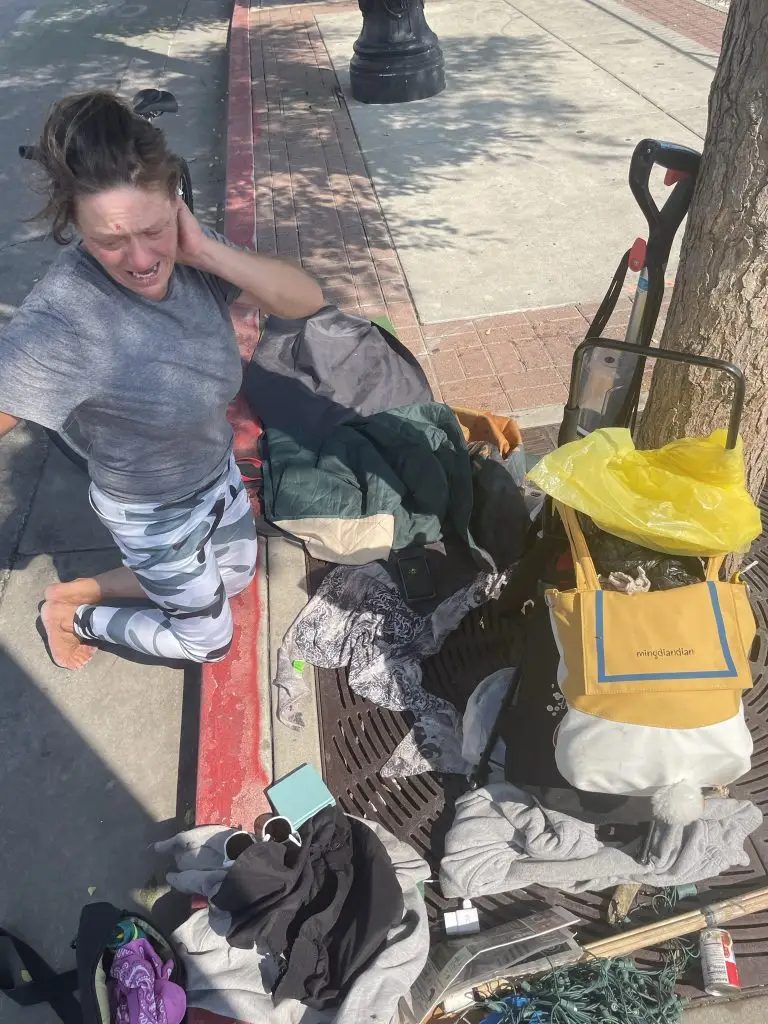
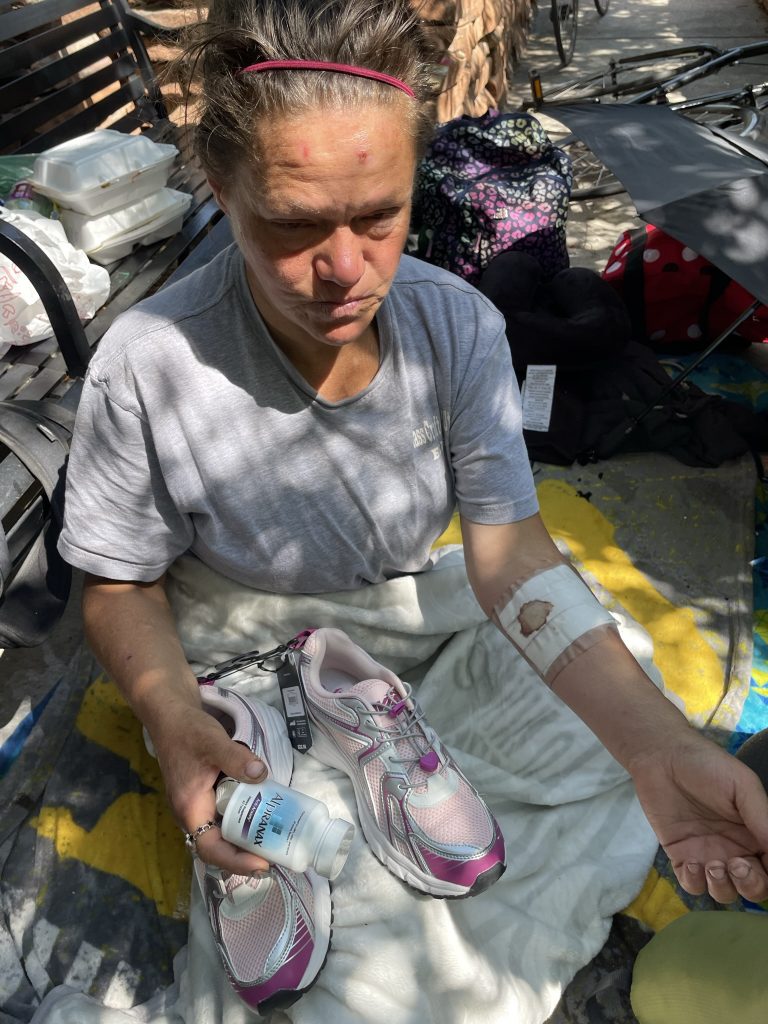
A: An ambulance will come if someone calls and then takes them to the hospital for a quick evaluation. If the injuries are not life-threatening, they are released back on to the street within hours. Hospitals do the minimum required by law and nothing more. Anytime a homeless person enters their facility they are losing money because no payment will be made and no one on the street has insurance to cover medical bills. I have seen multiple injuries on people I have interviewed ranging from bloodied skulls (below)–to neck wounds that were bandaged up because of a stabbing–to arms being sliced open that required 120 stiches.
Q: How do they defend themselves on the street?
A: Many come from prison already knowing how to fight, while others have to learn the hard way and fend off their attackers however they can. Any weapons police find on them through random searches are immediately confiscated & thrown away. The safest way to protect oneself is to create alliances and work together to protect each other. Many people also get dogs and train them as a safety measure. It should be remembered that any protection doesn’t come free–there is always something being exchanged for favors.